
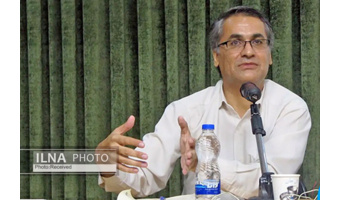
ویکتوریا آراکلوا، استاد دانشکده شرق شناسی دانشگاه روسی-ارمنی ارمنستان:
عصر حجرِ پستمدرنیته
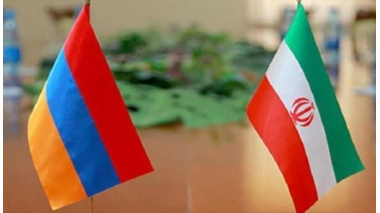
به گزارش عطنا، پروفسور ویکتوریا آراکلوا، پژهشگر، ایرانشناس و اسلامشناس و استاد دانشکده شرقشناسی دانشگاه روسی-ارمنی ارمنستان یادداشتی در سایت «ناشا سردا» درمورد ایران منتشر کرده است که در پی میآید:
"ما آنها را به عصر حجر بازخواهیم گرداند، جایی که به آن تعلق دارند"، این را رئیسجمهور کشوری میگوید که میانگین سطح آموزش دانشآموزانش چندین برابر پایینتر از دانشآموزان ایرانی است. امروز، نظام آموزشی ایران به سطحی رسیده که با اتحاد جماهیر شوروی در دهه ۱۹۸۰ قابل مقایسه است. این امر بهطور مستقیم در سطح علم—چه نظری و چه کاربردی—بازتاب یافته است. در زمان جنگ، این مسئله بهوضوح دیده میشود، هرچند نگاه منصفانه میتوانست دستکم در یک ربع قرن گذشته نیز آن را تشخیص دهد.
انگیزه جوانان ایرانی، از جمله در حوزه آموزش و پیشرفت حرفهای، مدتهاست که از انگیزه خودسازی در میان جوانان کشورهایی که رفاه مادی را بر همه چیز مقدم میدانند فراتر رفته است—کشورهایی که تقریباً هر چیزی، حتی کودکان در خانواده را، تهدیدی برای «کیفیت زندگی» تلقی میکنند. البته وارد این بحث نمیشویم که تمدن پستمدرن واقعاً از «کیفیت زندگی» چه منظوری دارد.
"ما آنها را به عصر حجر بازخواهیم گرداند، جایی که به آن تعلق دارند"، این را رئیسجمهور کشوری میگوید که نزدیک به ۲۰ درصد جمعیتش از دیابت رنج میبرند، و ۹۵ درصد از این ۲۰ درصد به «ملتی»، یعنی نمایندگان گتوهای آمریکایی جداگانه تعلق دارند، جایی که شهروندان درجه دو، آغشته به بوی شیرین و بیمارگونه فقر و روغن پالم، عملاً محکوماند که به سن بازنشستگی نرسند—اگر نه بهدلیل قند خون، دستکم بهخاطر فقدان معنا در زندگی.
و همین رئیسجمهور باور دارد که این ایران است که به عصر حجر تعلق دارد—کشوری که مردمش عمدتاً غذای سالم و تولید داخل مصرف میکنند، و میزان مصرف گوشت تازه و باکیفیت، کره و فرآوردههای لبنی تخمیری—چه برسد به سبزیجات، میوهها و گیاهان—در آن از بالاترینها در جهان است.
رئیسجمهور کشوری که در پیشرفتهترین شهرش، که از فرهنگ واقعی شهری تهی است، هنگام راه رفتن باید از کنار (یا حتی روی) معتادانی عبور کرد که بر آسفالت پیچوتاب میخورند. جایی که مردم نه حتی در یک جامعه اتمیزه، بلکه در «جزایر» جداگانه (خانه، کار، مدرسه) زندگی میکنند و تنها با خودرو—ترجیحاً با شیشههای کاملاً بسته—و در مسیرهای از پیش تعیینشده میان آنها جابهجا میشوند.
رئیسجمهور کشوری که در آن قدم زدن در خیابانها پس از ساعتی خاص توصیه نمیشود، درباره کشوری چنین سخن میگوید که در آن جوانان عصرها در آرامگاه شاعران بزرگ خود گرد هم میآیند تا صرفاً اشعارشان را بخوانند، و خانوادهها تقریباً هر روز در هر پارک و باغ عمومی، پیکنیکهایی با شامهای دیرهنگام برپا میکنند. فکر نمیکنم ادامه دادن لازم باشد.
به نظر میرسد تمام این تمدن پستمدرن، فراتر از دغدغههای مالی—قیمت سهام و هزینه بنزین—با یک مسئله اساسی روبهروست: وجود حس کرامت در طرف مقابل. نه برتری، بلکه کرامت. و ناتوانی در قربانی کردن این احساس بهخاطر «آزادیها» یا «کیفیت زندگی»—مفاهیمی که خود، بنیان سودمندی اقتصادی و در پی آن، کل نظام ارزشی پستمدرنیته را زیر سؤال میبرند.
The Stone Age of Postmodernity
"We will send them back to the Stone Age, where they belong,” says the president of a country whose average school student is educated many times worse than an Iranian one. Today, Iran’s education system has reached a peak comparable to that of the Soviet Union in the 1980s. This is directly reflected in the level of science—both theoretical and applied. In times of war, this is hard to miss, although an objective view would have recognized it at least over the past quarter century.
The motivation of young Iranians, including in education and professional development, has long surpassed the drive for self-improvement among youth in countries that place material well-being above all else and view almost everything—including children in the family—as a threat to “quality of life.” Let’s not get into what postmodern civilization actually means by “quality of life.”
“We will send them back to the Stone Age, where they belong,” says the president of a country where nearly 20% of the population suffers from diabetes, and 95% of that 20% belong to a separate “nation”—representatives of American ghettos, where second-class citizens, saturated with the sickly-sweet smell of poverty and palm oil, are practically destined not to live to retirement—dying, if not from blood sugar levels, then at least from a lack of meaning.
And this president believes that it is Iran who belongs in the Stone Age—a country where people eat exclusively healthy food, mostly produced domestically, where the consumption of fresh, high-quality meat, butter, and fermented dairy products—not to mention vegetables, fruits, and herbs—is among the highest in the world.
The president of a country where, walking through its most polished city lacking true urban culture, you have to step around (or over) drug addicts writhing on the asphalt. Where people live not even in an atomized society, but on isolated “islands” (home, work, school), moving from one to another only by car, preferably with tightly closed windows and along predetermined routes. The president of a country whose city streets are not recommended to walk after a certain hour, says this about a country where young people gather in the evenings at the mausoleums of their great poets simply to read their poetry, and where families almost daily organize picnics with late dinners in every park and public garden.
I’m not sure it’s worth continuing.
I think this entire postmodern civilization, beyond financial concerns—stock prices and gasoline costs—is troubled by one essential detail: the presence of a sense of dignity in its opponent. Not superiority, but dignity. And the unwillingness to sacrifice this feeling for the sake of “freedoms” or “quality of life,” which undermines the very idea of economic expediency, and along with it, the entire value system of postmodernity.Victoria Arakelova
https://nashasreda.ru/каменный-век-постмодерна/
نظر شما :